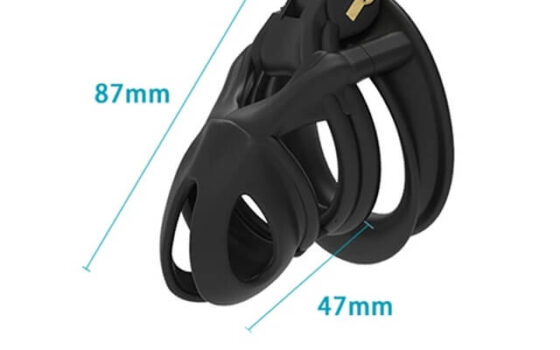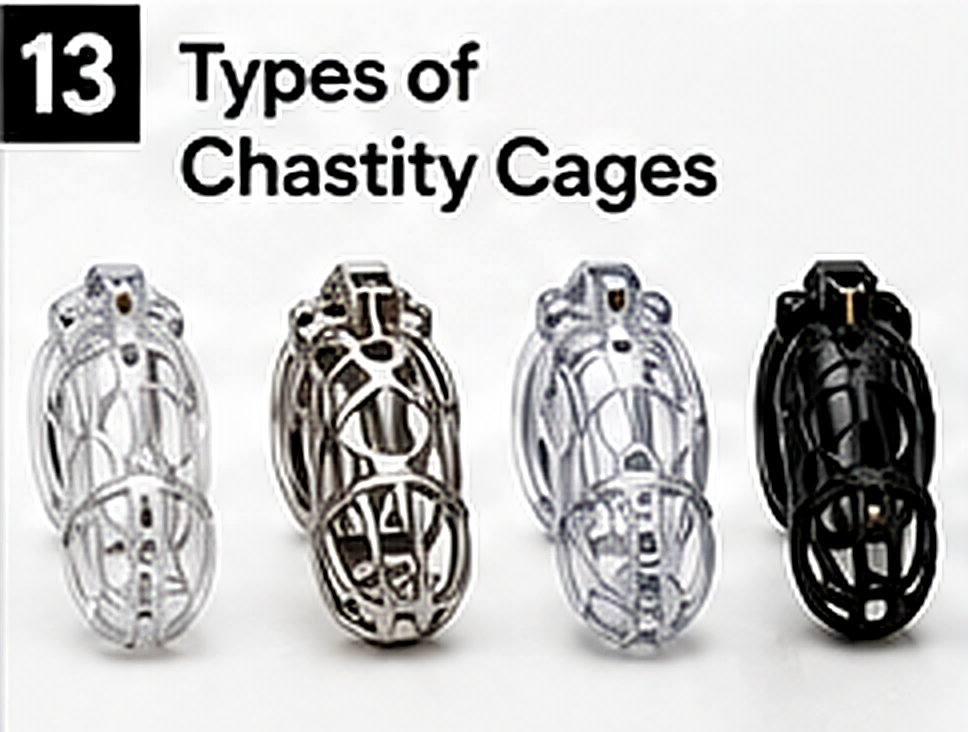
A practical taxonomy of chastity cage materials, profiles, enclosures, rings and locking systems—without pretending one type is best for everyone.
This guide is not medical advice. Stop use if significant pain, numbness, swelling, discoloration or circulation concerns occur.
Classification rule: Chastity cages can be classified in several overlapping ways: rigid metal, plastic or resin, and flexible silicone; open or enclosed bodies; standard, short, micro, flat or inverted profiles; and padlock, integrated or electronic locking systems. Material changes feel and maintenance, while shape changes fit, movement and discretion.
Product categories often mix material, shape and intensity into one label, which makes comparison harder than it needs to be. A “micro metal cage,” for example, describes both a material and a profile. An “open cage” describes the enclosure, not what it is made from.
Use this page as a map. When you are ready to decide, apply the criteria in how to choose a chastity cage.
Material families
Metal is rigid and durable, often with an open-bar structure. Its weight, weld quality and thermal feel matter. Plastic and resin can be light and molded into close contours, but surface finish and care instructions vary. Silicone or flexible materials reduce rigid contact but may move, compress or hold moisture differently.
Material alone does not prove a device is suitable for extended wear. Exact composition, finish, geometry and cleaning access must still be checked.
Open and enclosed cages
Open designs use bars, ribs or wide vents. They allow more airflow and easier rinsing, while exposed skin may rub against clothing or protrude through openings. Enclosed designs create a smoother outer surface and a stronger sense of coverage, but they make moisture, residue and skin inspection harder to manage.
Hybrid designs combine a smooth shell with substantial openings. Judge the actual access, not the product label.
Standard, short and micro profiles
A standard profile follows natural forward length. Short cages reduce room and can reduce projection. Micro designs are more compact and leave less tolerance for measurement error. The shorter the usable internal space, the more important width, curvature, gap and front alignment become.
Do not use an ultra-short profile to compensate for an inaccurate ring or to make symbolic restraint physically absolute.
Flat and inverted designs
Flat cages aim to sit closer to the body and reduce visible bulk. Some are simply short and wide; others curve or redirect tissue. Inverted designs take that redirection further and can require specialized fitting. Neither term has one standard geometry across manufacturers.
The flat-cage guide covers low-profile decisions without treating discretion as more important than safe fit.
Base-ring systems
Rings may be circular, oval, curved, ergonomic, split or hinged. A solid ring has no hinge pinch point but requires the body to be passed through it. A hinged ring is easier to place but must close cleanly. Some systems use multiple rings; custom devices may use a fixed measurement.
Use the complete fit check rather than judging the ring by size label alone.
Locking systems
Small padlocks are visible and mechanically simple. Integrated barrel locks reduce outline. Numbered plastic locks can show whether a device was opened but are not high-security hardware. Electronic and remote systems add interaction along with batteries, software and account risks.
Every system needs a tested emergency-release method that does not depend on delayed permission or unreliable connectivity.
A useful comparison table
| Type | Often valued for | Main question |
|---|---|---|
| Open metal | Rigidity, durability, rinse access | Is weight and finish manageable? |
| Contoured resin | Light weight and close profile | Are seams smooth and dimensions clear? |
| Flexible silicone | Softer contact | Does it remain stable and dry? |
| Flat or micro | Reduced outline | Is compact geometry actually appropriate? |
| Electronic | Remote interaction | What is the offline removal plan? |
Which category should a beginner start with?
There is no required type, but beginners benefit from clear dimensions, several fitting options, smooth construction, manageable weight, accessible cleaning and simple removal. Those features matter more than the material name.
The guide to beginner-friendly cage features turns this taxonomy into a shorter first-device checklist.
Scope boundary: Whatever the type, remove the device for pain, numbness, swelling, unusual discoloration or temperature, broken skin, trapped tissue or difficulty urinating. More restrictive designs require more—not less—caution. Seek medical care for severe or persistent symptoms.
Think in combinations, not single labels
A cage can be metal, open, micro, oval-ringed and integrated-locking at the same time. Each adjective describes a different layer. When comparing two devices, list all five layers so that a material difference is not mistaken for a profile difference.
This method also keeps searches honest: “metal cage” asks about material trade-offs, while “flat cage” asks about profile and discretion. A product can belong to both, but the question you are actually asking remains distinct.
Specialist designs deserve specialist evidence
Piercing-secured, catheter, spiked, electrical and remotely controlled designs introduce risks beyond this beginner taxonomy. Do not treat a broad guide as instructions for them; seek manufacturer documentation and appropriate professional guidance.
The Chastity Cages hub keeps material, profile, taxonomy and selection questions in separate guides.
A five-layer taxonomy
| Layer | Common categories | The question it answers |
|---|---|---|
| Material | Metal, molded plastic, resin/printed polymer, silicone | How rigid, heavy and care-sensitive is it? |
| Enclosure | Open bars, ventilated shell, enclosed tube | How accessible are inspection, airflow and cleaning? |
| Profile | Standard, short/micro, flat, inverted | Where does the volume sit under clothing? |
| Base system | Round, oval, curved, hinged, ringless or belt-supported | How is the front section anchored? |
| Control system | Padlock, barrel lock, numbered seal, timed/remote electronics | How is normal removal managed? |
Belts, piercing-secured systems and smart/remote devices belong at the boundaries of this taxonomy because they change anchoring or control. A 3D-printed cage belongs under both a manufacturing method and the actual material used. None of these labels is a buying recommendation; use the decision framework after classification.
Classify first, compare second
Types are best used as coordinates: material, enclosure, profile, ring and lock. Once you separate those layers, you can compare real trade-offs instead of shopping by intensity labels. Fit and routine should choose the category, not the other way around.