A low-profile design guide that separates discretion benefits from compact-fit risks and explains how to test a flat cage in real clothing.
This guide is not medical advice. Stop use if significant pain, numbness, swelling, discoloration or circulation concerns occur.
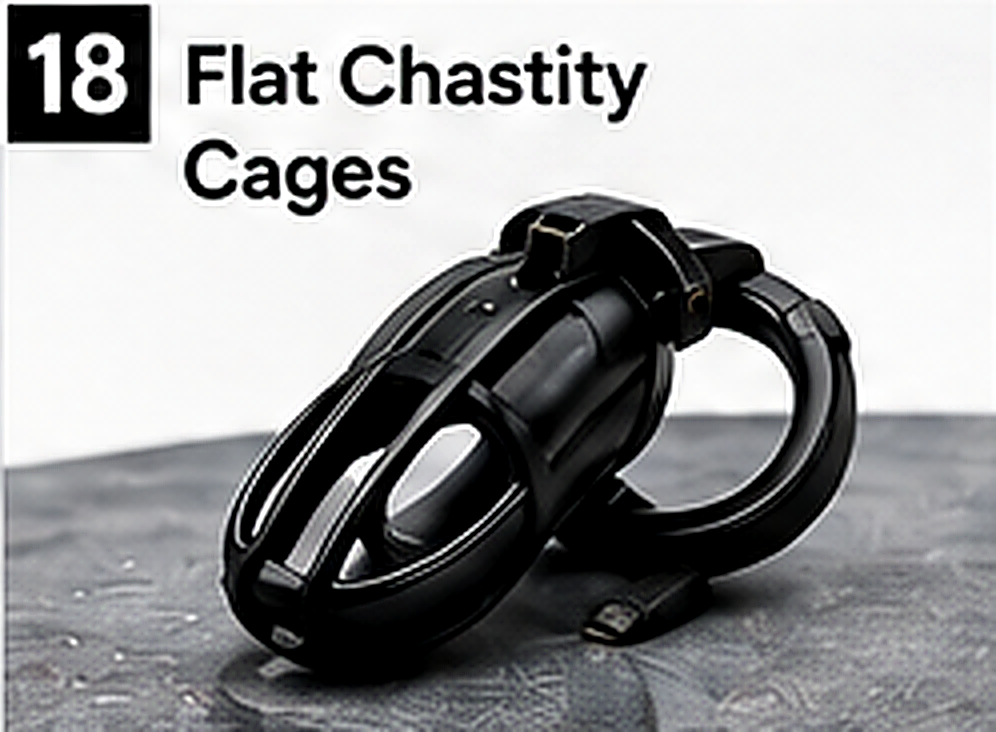
Profile before appearance: A flat chastity cage is designed to reduce forward projection and sit closer to the body. That can improve discretion under some clothing, but the compact shape leaves less tolerance for wrong length, width, curvature or gap. A flatter outline is useful only when the device remains stable, cleanable and non-constricting.
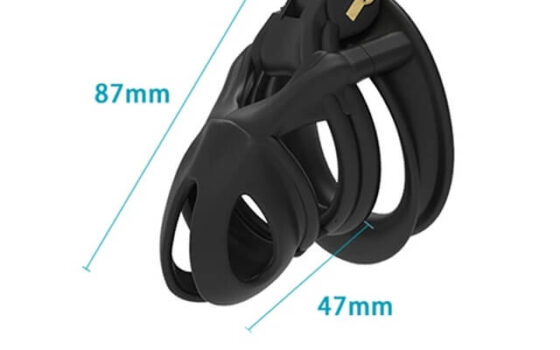
“Flat” is a marketing family, not one engineering standard. Some cages use a wide shallow front, some curve downward, and some approach an inverted geometry. Compare internal drawings rather than assuming every flat device positions the body the same way.
Review the broader types of cages before choosing a specialist profile.
What flat design changes
A standard cage projects forward along relaxed length. A flat design reduces that projection by using less forward space or redirecting the enclosure closer to the body. This may reduce a visible outline, shift pressure and change bathroom alignment.
The label does not reveal whether the cage is short, wide, curved or partially inverted. Usable internal measurements remain essential.
Discretion is more than cage length
Visibility depends on width, lock bulk, ring position, movement and clothing fabric. A very short cage that sits badly can create a wider or less natural outline than a slightly longer contoured design. Loose lock hardware may also be audible.
Test with the actual underwear, trousers and seated positions you intend to use—privately and without a long lock commitment.
Compact fit leaves less margin
Less internal space can increase tip pressure, folding or tissue entering vents. A wide flat enclosure may behave differently from a narrow micro cage. Gap and ring curvature become especially important when the body is held close.
Use the complete fit guide and do not assume discomfort is the intended effect of a flat design.
Material and construction choices
Flat cages are made in metal, molded plastic, printed resin and mixed materials. Metal adds weight; resin can create smooth contours but requires finish checks; flexible elements may move differently. Inspect lower edges, vents, print lines and the connector where sitting pressure concentrates.
An integrated lock may reduce outline, but emergency removal still needs to be tested.
Hygiene and bathroom alignment
A close body profile can reduce airflow and make interior access harder. Confirm that openings align and that the cage can be removed for full cleaning. Dry both the device and the skin completely.
If bathroom use repeatedly requires awkward manipulation or leaves residue that cannot be rinsed, the design is not suitable for the intended daily routine.
Flat, micro and inverted: keep the boundaries clear
| Label | Main design idea | Primary caution |
|---|---|---|
| Flat | Reduce forward profile | Pressure distribution and width |
| Micro/very short | Minimize internal length | Compression and front alignment |
| Inverted | Redirect space inward | Specialized geometry and fitting |
A single product can use more than one label; request its exact diagram.
A responsible daily-wear test
- Confirm dimensions against relaxed measurements.
- Inspect all close-contact edges.
- Fit unlocked and test standing, chair transitions and bending.
- Try intended clothing in private.
- Use the bathroom and assess cleaning access.
- Remove and inspect the skin.
- Only then consider a short locked daytime session.
Compact-design caution: Remove the device for pain, numbness, swelling, unusual discoloration or coldness, broken skin, trapped tissue or difficulty urinating. Compact designs are not an invitation to tolerate pressure. Seek medical care for severe or persistent symptoms. Educational information only.
Test the profile from more than the front
A flatter forward outline can still create width at the sides or bulk at the lock. Check side, seated and walking views in the clothing you intend to wear. Also listen for hardware movement in a quiet room.
Do not judge discretion by compressing the device with tighter underwear. Clothing should support a suitable fit, not create the fit. Compare the profile against the broader cage-choice criteria.
Compact designs require conservative progression
Begin with shorter waking sessions than you would use for a familiar standard cage. Inspect the areas around the wide front and lower connector. Add daily wear only when pressure remains stable across positions.
For the wider device landscape, continue through the Chastity Cages library, or browse flat chastity cage designs at ChastityCage.co to compare currently available low-profile models.
Low profile, full fit responsibility
Flat cages can solve a genuine discretion problem, but the design is a fit choice before it is a visual choice. Require transparent internal geometry, test real clothing and movement, and keep enough margin for cleaning, removal and normal circulation.