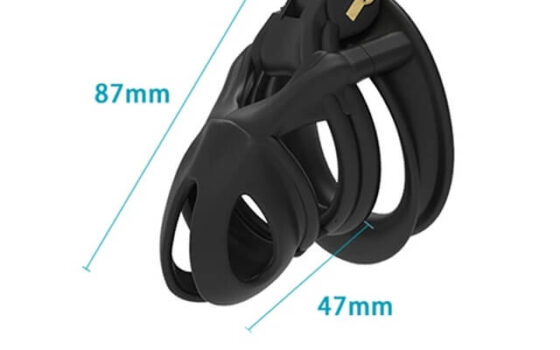
A beginner-focused buying framework for choosing a first cage that helps you learn fit, cleaning and routine without chasing extreme restriction.
This guide is not medical advice. Stop use if significant pain, numbness, swelling, discoloration or circulation concerns occur.
First-cage filter: The best first chastity cage is a learning tool: easy to size, smooth, light enough to evaluate, simple to clean and quick to remove. Multiple ring or gap options are often more valuable than extreme security, a famous shape or a very short profile.
First-device searches are crowded with “best cage” lists, dramatic product claims and confident size recommendations. Those pages can hide the central fact: you do not yet know how a ring, gap, length, weight and finish will behave on your body.
Your first cage should reduce the cost of learning. The broader chastity cage selection guide covers the whole market; this article keeps the decision narrow for beginners.
Priority 1: an adjustable fitting range
Look for clearly stated internal dimensions and more than one usable base-ring option. Some kits also provide spacers or pins that alter the gap. That flexibility lets you compare configurations without buying a complete new device after the first pressure point.
Do not assume the ring size printed on one product matches another. Confirm whether the number is internal diameter and how the maker measures usable cage length. A product page that hides basic dimensions is a poor learning tool.
Priority 2: smooth, inspectable construction
Run a fingertip over every edge, vent, seam, hinge and connector. The device should arrive without burrs, rough print lines, sharp flashing or a lock that rubs the body. Hinged rings can be convenient but require an especially careful pinch check.
A finish can look polished in photographs and still have a problem at an internal contact point. Inspect before the return window closes and before wearing it.
Priority 3: manageable weight and profile
A lighter cage makes it easier to separate sizing problems from simple downward pull. A standard or moderately compact profile usually gives a beginner more margin than an ultra-flat or inverted design. Discretion matters, but the smallest outline is not automatically the most comfortable.
Choose for the first realistic setting: a quiet daytime test. Do not optimize the first purchase for air travel, a month-long challenge or specialist security you have not yet experienced.
Priority 4: cleaning and bathroom access
Check ventilation, front-opening alignment and whether a soft brush or water can reach interior surfaces. Open designs are usually easier to rinse and inspect; enclosed designs may feel smoother under clothing but can hold moisture. Material instructions should explain what soap, water temperature and disinfecting methods are safe.
If the device cannot be removed easily for a complete wash, it is not beginner-friendly. Cleaning access is a design feature, not an afterthought.
Priority 5: a simple, reliable lock
A first lock should be easy to operate and easy to verify. Test every key. Integrated barrel locks reduce bulk, while small padlocks make the mechanism visible. Avoid relying on an app, timer or proprietary electronic release before you have a separate emergency plan.
If another adult will hold the key, agree where a backup stays and when the wearer can use it immediately.
Material is a trade-off, not a winner
| Material family | Beginner advantage | What to examine |
|---|---|---|
| Plastic or resin | Often light and available in fitted contours | Surface finish, seam quality, cleaning limits |
| Metal | Rigid, durable and often open for washing | Weight, welds, edges, temperature and pull |
| Silicone or flexible material | Softer contact and less rigid feel | Support, movement, drying and material compatibility |
Read the beginner explanation if the device decision is arriving before the purpose and consent conversation.
A practical first-cage checklist
- Complete internal dimensions are published.
- At least two plausible ring or gap configurations can be tested.
- All contact surfaces are smooth and visible.
- The cage can be washed, rinsed and dried fully.
- The lock works repeatedly off the body.
- Removal does not depend on a phone, shipment or distant person.
- The return or replacement policy is clear.
What not to optimize for yet
Do not make “inescapable,” “permanent,” “punishing” or “smallest possible” your first buying criterion. Those words sell a fantasy but do not tell you whether the ring twists during a chair transition or whether the front opening works in a bathroom.
Your first device may not be your final preference. That is not a failed purchase if it teaches accurate measurements and realistic priorities without injury or pressure.
Do not buy around a warning sign: Test the first cage unlocked and during a short waking session. Remove it for sharp pain, numbness, swelling, unusual discoloration or temperature, broken skin or difficulty urinating. Never choose a tighter component to make an uncertain device feel more secure. Seek care for severe or persistent symptoms.
Use the return window as part of the fitting plan
Read hygiene and return restrictions before opening or wearing the device. Some intimate products cannot be returned after contact. That makes transparent dimensions and pre-wear inspection especially important. Photograph defects and contact the seller before attempting a repair.
Availability of replacement rings, spacers and keys can matter more than a large catalog of cage bodies. A first setup becomes easier to refine when the correct small component can be replaced without buying another full kit. Revisit the beginner pathway before turning a product choice into a duration plan.
When to postpone the purchase
Wait if measurements are uncertain, the material is unnamed, internal dimensions are missing or emergency removal is unclear. More browsing will not resolve missing evidence; a better-documented device will.
The Getting Started collection separates orientation, device knowledge and action plans so each question has one clear answer.
Beginner first-device scorecard
| Criterion | Strong evidence | Weak evidence |
|---|---|---|
| Fit options | Several documented ring/gap choices with internal dimensions | “One size fits most” |
| Finish | Clear close-ups, smooth transitions and replacement policy | Only styled product photos |
| Weight | Complete assembled weight is listed | Cage-body weight only or none |
| Cleaning | Material-specific care and access to narrow areas | “Easy to clean” without instructions |
| Lock/removal | Simple working key plus replacement/emergency plan | Novelty lock with unclear support |
| After-sale support | Known return hygiene rules and purchasable small parts | No size exchange or spare components |
Use the scorecard to learn, not to crown a universal winner. The broader decision framework is for readers comparing all materials and profiles; this page stays focused on a forgiving first purchase.
Choose a learning tool
A beginner’s first cage should make evaluation easy. Favor fit options, construction quality, hygiene access, manageable weight and reliable removal. Once you know what your body and routine require, specialist materials and profiles become informed choices rather than guesses. When you are ready to compare profiles side by side, the device types overview explains what each shape trades away.
First-Cage Shopping Checklist: Add a Clear Final Check
The final check, run at checkout before any first cage order: every dimension you need is stated for the exact variant selected; the package list names a complete device (body, rings or ring, lock, keys); no option in your cart exists to fix a measurement you haven’t taken; and emergency removal depends on nothing remote, timed or shipped-separately. Four lines, sixty seconds — and the order either proceeds on evidence or waits for one more seller answer.
This section adds the gate; the article above supplies everything the gate checks. First orders that pass it arrive as complete, documented, correctly sized kits — and the arrival-day count (the unboxing checklist) finishes what checkout started. Buyers who skip the gate meet its questions anyway, usually at the worse end.
Check the Current Policy Before Opening or Ordering
Return, exchange and hygiene policies are the seller’s current documents, not this guide’s promises — and they vary by store, change over time, and tighten for intimate products once packaging is opened. The buying-time habit: read the store’s own returns page for the exact product before ordering, screenshot it beside the package list, and let it shape one decision — when to inspect. If the window closes on opening, your unboxing inspection happens before first wear, photographs included.
Two boundaries keep this section honest: no promise of returns is made or implied here — the store’s page is the only authority on its own policy; and no policy advice extends beyond shopping — this is a documents check, not legal guidance, and region-specific questions belong to the store’s own support answers in writing.