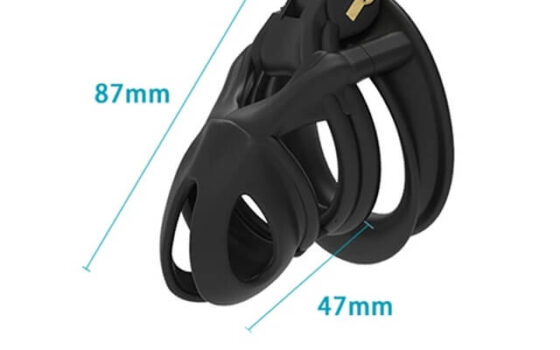
A device-familiarization process that separates learning the setup from attempting a longer wear schedule.
This guide is not medical advice. Stop use if significant pain, numbness, swelling, discoloration or circulation concerns occur.
Some materials do not meaningfully soften with wear. What changes is the wearer’s knowledge of the device and the evidence about whether the setup is suitable.
Inspect before body contact
Check every surface, seam, hinge, lock and key. Confirm the published dimensions and care instructions.
Assemble off the body
Learn the connector and emergency release without time pressure. Reject parts that bind, crack or expose rough edges.
Run an unlocked fit
Test normal posture, sitting, walking and bathroom alignment while immediate removal is effortless.
Repeat short waking locks
Keep the key in hand, remove, wash and inspect after each session, and repeat the same configuration before extending.
Add one real-life variable
Only after stable repetition, test a little more movement or time. Work and sleep are separate decisions.
Use decision gates instead of a streak
| Check | Decision |
|---|---|
| Device operates smoothly off body? | Stop if the lock or connector is unreliable. |
| No trapped tissue during assembly? | Revise technique or hardware before locking. |
| Normal movement and bathroom use? | Do not extend until both pass. |
| Skin normal after removal? | Recover fully and change the setup if not. |
| Same result repeated? | Only then consider one small next step. |
Review before adding another demand
Write what the device taught you: pressure location, alignment, cleaning access and removal. If the correction requires filing, bending or unknown modifications, replace the design rather than improvising on the body.
Let a failed gate simplify the plan
A failed check does not create a debt of hours to recover later. It means the next step is smaller: repeat the earlier stage, remove a difficult setting, change one fit variable or pause until the body and relationship return to baseline. This prevents a calendar, keyholder rule or public challenge from becoming more important than the evidence gathered during the routine.
Keep a record that supports real decisions
Write the configuration, activity, cleaning method, physical observations, emotional response and removal result in plain language. “Fine” is less useful than “stable while walking, lower-ring pressure after forty minutes seated, normal skin after removal.” A short record makes patterns visible and helps prevent the same failed setup from being repeated under a new label.
A routine can remain deliberately modest
There is no requirement to progress to work, sleep, travel or continuous wear. A short private session may be the version that best fits health, privacy and relationship needs. Treat stable limits as a valid design choice rather than a plateau to defeat. The schedule serves the people involved; they do not owe the schedule an escalation.
Continue with the relevant ChastityNow guides
The bottom line
A new cage is broken in when its assembly, fit, cleaning and removal are predictable—not when the body has learned to ignore warning signs. Test short, review and replace unsuitable hardware.
This article belongs to the Fit Comfort library, where the surrounding guides cover the wider topic.