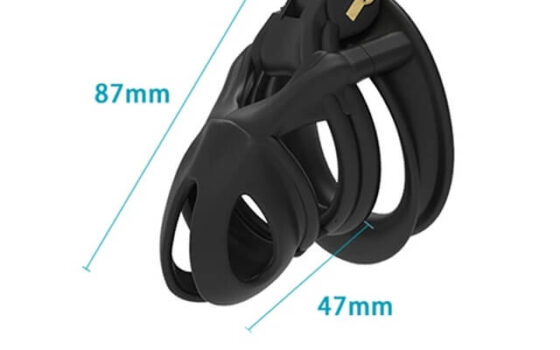
A realistic first-day timeline designed to generate useful fit information rather than turn the first lock into an endurance test.
This guide is not medical advice. Stop use if significant pain, numbness, swelling, discoloration or circulation concerns occur.
A twenty-four-hour headline can sound like a target. For a first-time wearer it is better treated as a planning window in which several short tests may happen. That approach tells you much more than remaining locked while a problem slowly grows.
Before this timeline, understand the basic practice and use the beginner criteria in choosing a cage.
Before hour zero
- Clean and dry the device and body.
- Inspect edges, hinges, pins and lock.
- Confirm primary and spare removal methods.
- Choose a quiet day without travel or major commitments.
- If partnered, agree check-in times and immediate stop language.
Wear the cage unlocked first and complete normal movement and bathroom checks. If that stage is not comfortable, the 24-hour plan stops there.
Hours 0–2: stay awake and observant
After locking, remain in a familiar place. Walk, sit on different surfaces and bend gently. Notice whether pressure stays mild or builds. Use the bathroom early enough to test alignment before urgency makes the situation stressful.
Do not spend the entire period distracted by entertainment. The purpose of the first hours is to observe the ring, gap, cage body and lock as a system.
Hours 2–6: test ordinary routine
If the first checkpoint is uneventful, continue with calm home activities. Recheck skin color, temperature and sensation. A device may settle as it warms, or a ring may begin to pull once you have walked more.
Growing discomfort is not adaptation. Unlock, inspect and change the plan rather than waiting for the next milestone.
Midday removal and inspection
For a first day, a planned unlock is useful. Wash the device, dry it and inspect the skin under good light. Check contact lines, redness, chafing and the areas around vents and the base ring. Record what changed while sitting or walking.
You may decide to stop for the day. If you resume, use the same configuration only when the inspection is reassuring.
Evening: review hygiene and attention
Ask whether urination and cleaning were practical, whether clothing increased rubbing and whether the device dominated attention. Emotional discomfort matters too. A partner should check in without demanding enthusiasm or treating a pause as broken trust.
Use chastity safety basics to distinguish a minor fitting note from a reason to stop.
Sleep is an optional separate experiment
Do not let the clock turn bedtime into an obligation. Overnight arousal and unconscious movement introduce new pressure. If daytime wear has not already felt stable, unlock for sleep. Even after a good day, the first night should have immediate key access and no barrier to stopping.
The dedicated sleeping guide covers positions, wake-ups and morning inspection.
Morning review
| Question | What the answer changes |
|---|---|
| Where did pressure occur? | Ring, gap, length or construction review |
| Could you urinate and clean normally? | Alignment and enclosure suitability |
| Did discomfort grow? | Shorter trial or different configuration |
| Was consent easy to use? | Communication and key-access rules |
| Do you want another trial? | Proceed, pause or stop without obligation |
What can feel new without being a warning sign
You may notice weight, contact, a change in posture or increased attention simply because the device is unfamiliar. Those sensations should remain mild and should not progress toward pain, numbness or circulation changes. The ability to become distracted by normal activities is a useful sign; the need to monitor worsening pressure is a reason to unlock.
Do not stack firsts
A first cage day should not also be a first overnight, first workday, first long drive and first time a distant keyholder controls the only key. Each added setting removes information and control. Introduce one environment, review it and keep the rest familiar.
For definitions, equipment basics and first-session planning, use the Getting Started hub as the wider reading path.
What a successful first day proves
A successful first 24 hours may include several unlocks—or end after one hour. Success is a clear record of fit, hygiene, feelings and removal. Build future duration from uneventful evidence, never from the need to complete a number.