A feature-selection guide that supports longer routines without pretending one design is universally best.
This guide is not medical advice. Stop use if significant pain, numbness, swelling, discoloration or circulation concerns occur.
“Long term” on a listing is not evidence. A useful evaluation asks whether the complete device supports ordinary movement, cleaning, sleep choices and recovery for this wearer.
Features that matter—and claims that do not
| Criterion | Routine-supporting evidence | Marketing shortcut |
|---|---|---|
| Fit | Internal dimensions and ring/gap options | One-size or “anatomical” without measurements |
| Weight | Complete assembled weight and short leverage | Body-only weight or “lightweight” without a number |
| Cleaning | Reachable surfaces and material care | Vent holes treated as proof of hygiene |
| Finish | Smooth joints and documented material | Body-safe claim without specifics |
| Removal | Tested key and local backup route | Remote control without local override |
Start with the routine, not the label
Start with the day: walking, sitting, bathrooms, heat, cleaning and optional sleep. The desired routine determines whether open access, low profile, low weight or a particular lock deserves priority.
Fit can reverse the apparent advantage
A compact cage can reduce leverage yet create concentrated pressure if width, curve or gap is wrong. A heavier cage may be manageable when short and stable. Compare geometry before ranking individual features.
Cleaning depends on reachable surfaces
Openings help only when water, hands and air can reach the relevant surfaces. Locks, hinges, joints and internal texture still require removal and inspection.
A practical shortlist test
Eliminate any device with missing internal dimensions, unclear material, unreliable removal or an unworkable cleaning route. Test the remaining design through short waking sessions before assigning it a longer schedule.
Avoid the common shortcut
Do not call a product “best for long term wear” without direct verified testing. This guide evaluates observable features; it does not certify a specific product or duration.
Verify the complete product evidence
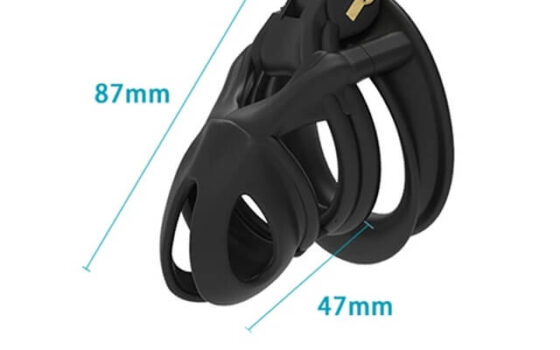
Longer routines raise the stakes of missing evidence: ask for internal dimensions, assembled weight, the narrowest usable space, ring and gap options, the exact material and its care limits, and a removal method that works at 2 a.m. without a phone or a second person. A listing that styles itself “long term” while omitting any of these is asking you to assume the risk — shorten the list instead.
Use the first tests to challenge the choice
Progress deliberately: one unlocked evening session first, then waking hours, then a full day, checking skin recovery overnight between steps. For a longer-wear candidate, the questions that matter are drying time after a rinse, whether the lock still operates after a week of handling, and whether pressure points stay stable after hours at a desk. Any deterioration between sessions disqualifies the schedule, not the wearer.
Check support, returns and replacement parts
Over weeks, small parts become the whole story: check the return window before body contact, and whether spare rings, spacers, pins and keys ship separately, because a longer routine consumes hardware. Photograph wear-point changes early — a smoothing weld, a loosening hinge — before they become defects, and never modify a component of unknown material while it is worn.
No product can guarantee comfortable or appropriate extended wear; fit, cleaning access and a workable removal plan remain individual. After narrowing the features that matter to your routine, you can browse cage designs using these criteria and compare the published dimensions and construction details carefully.
Continue with the relevant ChastityNow guides
The bottom line
The best longer-wear features are the ones that make fit, cleaning, movement and removal ordinary and verifiable. Use evidence to narrow the field, then let controlled wear tests decide.
This article belongs to the Chastity Cages library, where the surrounding guides cover the wider topic.