Getting Started With Male Chastity
New to male chastity? Start with the basics: what chastity means, how cages work, how to choose a comfortable first device, and how to approach fit, hygiene and safety without rushing.
New to male chastity? Start here.
Begin with the idea rather than the hardware. Chastity may be explored alone or with a partner, with a cage or without one. The useful first questions are what you want from the experience, which boundaries matter, and how you will stop if the plan no longer feels right. Once those points are clear, learn how a typical cage works before choosing a size or attempting a first wear.

What Is Male Chastity? A Practical, Beginner-Friendly Explanation
Learn the basic idea, common terms and the difference between a device and the agreement around it.
Understand male chastity
Male Chastity for Beginners: How to Start Without Rushing
Review the decisions, expectations and practical preparation that matter before a first experiment.
Read the beginner guideYour first cage should prioritize fit—not intensity.
A first device is a learning tool. Look for a cage length and base ring range that suit your measurements, a profile you can evaluate during ordinary movement, and surfaces that are smooth and simple to clean. Material and weight affect how a device feels; ventilation affects cleaning and drying; adjustability can make early fit testing easier.
Avoid choosing only by appearance or the promise of greater restriction. A design is useful only when you can fit, clean and remove it reliably.
Already comparing device styles? Explore Chastity Cages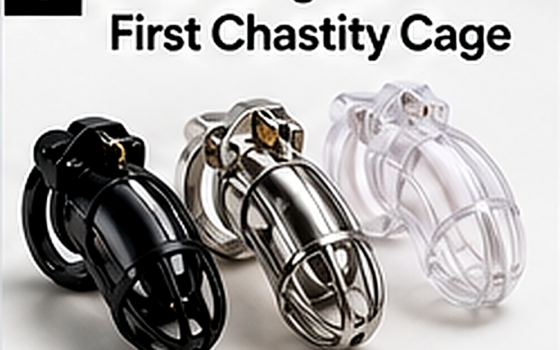
Fit matters more than how a cage looks.
Base ring size, cage length, ball gap, device weight and body movement work together. Pressure that appears while sitting or walking may not be obvious during a quick standing check. A cage that looks right but fits poorly does not become safe or comfortable simply because someone wears it longer.
Learn about Fit & ComfortYour first wear
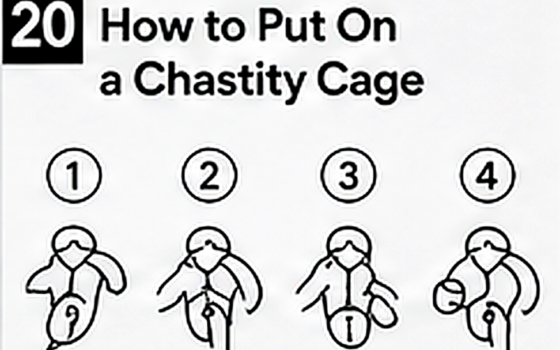
Choose a calm time at home when you can remove the device immediately. The aim is to learn how the assembled cage feels during gentle movement, not to reach a duration target.
- Check the fit before locking.
- Clean and inspect the device.
- Keep an emergency key accessible.
- Start with a short waking trial.
- Pay attention to pressure, sensation and circulation.
- Do not chase long wear times immediately.
Before making wear part of a routine, learn how to clean and dry a chastity cage properly.
Know when to stop
Comfort and normal sensation matter more than the clock. Significant pain, persistent numbness, unusual swelling, concerning discoloration, loss of sensation or circulation concerns are reasons to remove the device and reassess the fit. Do not treat warning signs as a challenge to push through.
Seek qualified medical attention for serious or persistent symptoms. ChastityNow provides general education, not diagnosis or individualized medical advice.
Chastity Safety Basics
Fit, hygiene, removal planning and the warning signs that require action.
Read the complete safety guideA simple beginner path
Use this sequence as navigation, not a deadline. Resolve each step before adding more time or complexity.
Explore what matters next
Move into the topic that matches your next decision rather than trying to learn everything at once.
Chastity Cages
Materials, cage profiles, lock styles and device designs.
Explore cages → SizingFit & Comfort
Sizing, ring fit, cage length and common fit problems.
Improve your fit → RoutineDaily Wear
Sleeping, working, clothing, cleaning and everyday routines.
Explore daily wear → CommunicationRelationships
Consent, expectations, communication and shared decisions.
Explore relationships →Questions before you begin
Short answers for the decisions that often come first. Follow the contextual links when you need the full explanation.
What should a beginner know about male chastity?
Start with consent, realistic expectations, a reliable way to stop and an understanding of fit before thinking about duration. The beginner guide explains that preparation in more depth.
Do I need a keyholder to try chastity?
No. Chastity can be explored solo, and a keyholder should be an informed choice rather than a requirement. Read about practising without a keyholder before deciding what structure suits you.
What type of chastity cage is best for a beginner?
There is no single best style for every body. Prioritize measurable sizing options, smooth construction, manageable weight, cleaning access and dependable removal. Use the first-cage guide to compare those features.
How long should a beginner wear a chastity cage?
There is no universal target. Start with a short waking test, remove the device if warning signs appear and review the fit before adding time. A beginner schedule can help organize gradual trials without turning them into endurance goals.
How do I know if my chastity cage fits correctly?
A workable fit should remain secure without significant pain, numbness, unusual swelling, discoloration or loss of sensation. Test standing, sitting and gentle movement, then use the Fit & Comfort hub to investigate specific variables.
Should I measure before buying a chastity cage?
Yes. Base ring, cage length, internal diameter and gap affect different parts of the fit. Measure when relaxed and follow a consistent method rather than copying another person’s size. See the measurement guide.
What should I do if wearing a cage becomes painful or numb?
Remove the device and do not push through significant pain, persistent numbness, concerning discoloration, unusual swelling, loss of sensation or circulation concerns. Seek qualified medical attention for serious or persistent symptoms, and review the complete safety guide before another trial.
How we approach beginner guidance
ChastityNow prioritizes fit, comfort, consent and realistic expectations. Our beginner guides are written to help readers understand their options and make informed decisions without rushing into longer wear or more restrictive setups.
We separate general education from medical advice and do not claim professional review or credentials that have not been verified.